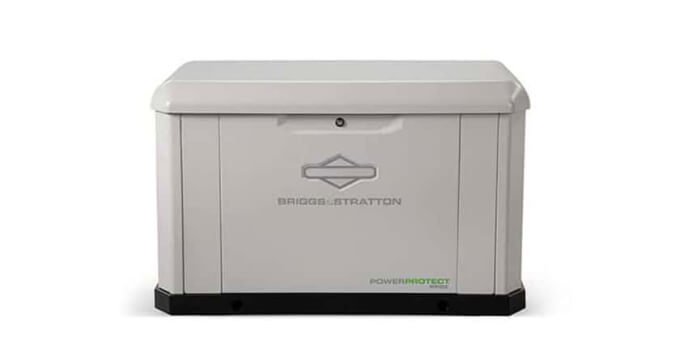
When the lights go out, chaos often follows. For many homeowners, especially those in rural areas, an unexpected power outage isn't just an inconvenience—it can be a serious disruption, impacting everything from water pumps to refrigeration. This is precisely why a reliable backup power solution is non-negotiable. If you own a tractor, you're already halfway to unlocking a powerful, cost-effective emergency energy source: a PTO generator.
Welcome to Choosing the Right PTO Generator: A Buyer's Guide. We’ll cut through the jargon, illuminate your options, and help you select the ideal power partner to keep your home running smoothly when the grid falters.
At a Glance: Key Takeaways for Your PTO Generator Search
- Assess Your Power Needs First: Don't guess. List essential appliances and calculate their total wattage to determine the generator size you need (typically 10kW to 24kW for homes).
- Tractor Compatibility is Crucial: Ensure your tractor's PTO shaft (usually 1-3/8″, 6-spline, 540 RPM) matches the generator's input requirements.
- Understand Transfer Switches: A critical component for safe home integration, matching your electrical panel (100–200 Amp is common).
- Prioritize Safety Features: Look for magnetic circuit breakers and individual circuit overload protection.
- Consider Maintenance: Brush-type designs and pre-sealed bearings can minimize upkeep.
- Home Standby vs. PTO: While this guide focuses on PTO, we’ll touch on home standby options for a complete picture, as they offer different benefits.
The Power of Preparedness: Why a PTO Generator Might Be Your Best Backup Bet
Imagine a world where a storm doesn't mean spoiled food, cold showers, or dark nights. That’s the promise of a backup generator. While many think of loud, gas-guzzling portable units, or the silently humming, automatically kicking-on home standby systems, PTO (Power Take-Off) generators offer a unique and compelling alternative, particularly if you already have a tractor.
PTO generators cleverly utilize your tractor’s engine power, converting mechanical energy from its PTO shaft into electricity. This makes them a cost-effective, durable, and highly reliable choice for residential backup. No separate engine to maintain, no dedicated fuel tank to fill (beyond your tractor's diesel or gasoline). It's an efficient use of existing farm or property equipment, delivering robust power right when you need it most.
Decoding Your Power Needs: How Much Wattage Do You Really Need?
Before you even start looking at models, you need to understand your power requirements. Guessing can lead to an undersized generator that won't run your essentials, or an oversized one that costs more than necessary.
Think of it like this: every appliance in your home has a wattage rating. When the power goes out, which ones absolutely must stay on?
Steps to Calculate Your Home's Essential Wattage:
- List Your Essentials: Walk through your home and make a list. Common necessities include:
- Refrigerator/Freezer
- Well pump (if applicable)
- Furnace fan/Blower (for heating, not typically the whole furnace)
- A few lights (LEDs use very little power)
- Television/Computer (for communication/entertainment)
- Medical equipment (if critical)
- Microwave (for short bursts)
- Garage door opener
- Find the Wattage: Look for a label on each appliance for its running wattage. Some might list starting (surge) wattage, which is higher, but focus on running for continuous needs. If you can't find it, a quick online search for "[Appliance Name] wattage" will give you a good estimate.
- Sum Them Up: Add up the running wattage of all your essential items.
- Factor in Starting Wattage: Certain appliances, especially those with motors (refrigerators, well pumps), require a surge of power to start—often 2-3 times their running wattage. You don't need to add up all starting wattages, just the highest single one. Add this highest starting wattage to your total running wattage. This gives you a good estimate of the peak wattage your generator needs to handle.
General Guidelines for Home Backup:
- Smaller Homes (Essential Circuits): Around 10 kW is often sufficient to keep critical items like a fridge, well pump, lights, and furnace fan running.
- Mid-Sized to Larger Homes (More Extensive Backup): A 14 kW to 24 kW generator can support more appliances, including central air conditioning (depending on its size) or a wider range of high-draw items.
- Whole-House Power: For truly comprehensive backup, you’ll typically be looking at 20 kW or more, ensuring most, if not all, of your home’s circuits are powered.
Quick Tip: It's always better to have a little more capacity than you think you need, rather than struggling with an undersized unit.
Key Considerations: What to Look for Before You Buy a PTO Generator
Choosing the right PTO generator involves more than just picking a power rating. Several factors will dictate performance, safety, and longevity.
1. PTO Shaft Compatibility: The Heart of the Connection
This is non-negotiable for a PTO generator. Your generator needs to seamlessly connect to your tractor’s PTO shaft.
- Standard: Most residential PTO generators are designed for a 1-3/8″, 6-spline input shaft operating at 540 RPM.
- Check Your Tractor: Double-check your tractor's owner's manual or the shaft itself to confirm compatibility. Mismatched shafts simply won't work.
2. Voltage and Phase: Powering Your Home Correctly
For nearly all residential applications in the US, you'll need a generator that provides:
- Simultaneous 120V and 240V output. This allows you to power standard household outlets (120V) as well as larger appliances like well pumps, water heaters, or central AC units (240V).
- Single-phase configuration. Residential electrical systems are almost universally single-phase. Commercial or industrial settings might use three-phase power, but that's rarely applicable for home backup.
3. Transfer Switch Integration: Safety and Seamless Power
A transfer switch is arguably the most critical component for safe home generator use. It electrically isolates your home from the utility grid when the generator is running, preventing dangerous backfeed that could injure utility workers or damage your generator.
- Common Sizes: A 100–200 Amp transfer switch is typical for whole-house setups.
- Compatibility: Ensure the generator is compatible with the transfer switch you plan to install, and that the switch matches your home’s electrical panel. Professional installation by a licensed electrician is mandatory for any transfer switch.
4. Enclosure and Weather Resistance: Built to Endure
Your PTO generator will likely operate outdoors, exposed to the elements.
- Durable Materials: Look for rugged metal construction, often aluminum or heavy-gauge steel.
- Drip-Proof Design: This protects internal components from rain, snow, and condensation, significantly extending the generator's lifespan.
- Outdoor-Rated: The enclosure should be specifically designed and rated for continuous outdoor use.
5. Safety First: Essential Protective Features
Electrical power is no joke. Prioritize generators with robust safety mechanisms.
- Magnetic Circuit Breakers: These offer superior protection compared to thermal breakers, responding instantly to overcurrent conditions to prevent damage to the generator and connected appliances.
- Individual Circuit Overload Protection: This ensures that if one circuit drawing power from the generator becomes overloaded, it trips independently, protecting other connected circuits.
6. Monitoring Your Output: Keeping an Eye on Performance
Knowing what your generator is doing is key to optimal performance and troubleshooting.
- Integrated LED Meters: Look for clear displays showing Hertz (Hz), Volts (V), and Amps (A). This allows you to quickly verify the generator is producing the correct frequency (typically 60 Hz), voltage, and that you're not overloading circuits.
7. Maintenance & Durability: Less Downtime, More Reliability
A generator should be a solution, not another problem.
- Brush-Type Designs: Many PTO generators use brush-type alternators, known for their robust construction and ease of maintenance.
- Pre-Sealed Bearings: These reduce servicing needs by eliminating the need for regular greasing. Look for 100% copper windings for optimal conductivity and durability.
8. Noise and Footprint: Considerations for Your Property
While PTO generators generally have your tractor's engine noise to contend with, the generator head itself can contribute.
- Noise Ratings (dBA): While less critical than for standalone units, it's still worth noting.
- Installation Space: Ensure you have adequate, level space for the generator head and your tractor, keeping exhaust gases safely away from your home.
9. Warranty and Service Support: Peace of Mind
Even the best equipment can sometimes need attention.
- Warranty: A 5-year limited warranty is common for quality generators. Understand what it covers.
- Local Service: Check for authorized service centers and parts availability in your area. This can be crucial for quick repairs and minimal downtime.
PTO Generators in Focus: Top Models for Home Backup
Now that you know what to look for, let's explore some of the leading PTO generator models available, drawing from their key specifications and strengths.
| Model | Output (kW) | Input Shaft Specs | Key Features | Best For |
|---|---|---|---|---|
| NorthStar PTO Generator | 13 (Surge) | 1-3/8″, 540 RPM | 100% copper windings, 100 Amp thermal breaker, multiple outlets (120V, welding) | Essential backup, light welding tasks |
| IMDLLC 10 kW PTO Generator | 10 | 1-3/8″, 6-spline, 540 RPM | 120V/240V simultaneous, magnetic breaker, LED meter, USA assembled | Smaller homes, core essentials |
| IMDLLC 16 kW PTO Generator | 16 | 1-3/8″, 6-spline, 540 RPM | Auto voltage regulator, 120V/240V, copper windings, sealed bearings, LED meter | Mid-sized homes, more comfort appliances |
| IMDLLC 22 kW PTO Generator | 22 | 1-3/8″, 6-spline, 540 RPM | Heavy-duty, 120V/240V simultaneous, pre-sealed bearings, magnetic breaker, LED meter | Larger homes, extensive backup requirements |
1. NorthStar PTO Generator (13,000 Surge Watts)
This NorthStar unit is a solid contender for those needing reliable, robust power. It delivers approximately 13,000 surge watts, making it suitable for essential home circuits and even some light utility work.
- Tractor Compatibility: Designed for a 1-3/8 inch input shaft at 540 RPM.
- Durability: Features 100% copper windings for maximum efficiency and longevity, housed in durable metal construction.
- Safety & Monitoring: Includes a 100 Amp thermal magnetic breaker and a voltmeter to monitor output.
- Versatility: Offers multiple outlets, including a welding receptacle and four 120V 20 Amp receptacles, providing flexibility for various needs during an outage.
2. IMDLLC 10 kW PTO Generator
For smaller homes or those focused strictly on essential backup, the IMDLLC 10 kW generator offers a dependable solution.
- Output: Provides a steady 10 kW output with simultaneous 120V/240V, ensuring compatibility with most residential appliances.
- Construction: Boasts a heavy-duty, single-phase brush type design with 100% copper windings and a lightweight, durable aluminum and steel housing.
- Safety & Monitoring: Equipped with a magnetic circuit breaker and a three-bar LED meter displaying Hertz, Volts, and Amps for precise monitoring.
- Compatibility: Uses a standard 1-3/8″, 6-spline input shaft at 540 RPM.
- Origin: Assembled in the USA, suggesting quality craftsmanship.
3. IMDLLC 16 kW PTO Generator
Stepping up in power, the IMDLLC 16 kW model is ideal for mid-sized homes that need to power more than just the basics.
- Continuous Output: Offers a robust 16 kW continuous output with automatic voltage regulation, ensuring stable power delivery.
- Construction & Durability: Features 120/240V output, copper windings, sealed bearings (reducing maintenance), and a robust aluminum/steel enclosure.
- Safety Features: Includes a magnetic circuit breaker and individual circuit protection to safeguard your home and the generator.
- Compatibility & Monitoring: Uses a standard 1-3/8″, 6-spline input shaft at 540 RPM and includes a three-bar LED meter for essential output readings.
4. IMDLLC 22 kW PTO Generator
When substantial backup power for a larger home is a priority, the IMDLLC 22 kW generator rises to the challenge.
- High Output: Designed for larger homes, this unit delivers 22 kW of power with simultaneous 120V/240V.
- Premium Construction: Features a heavy-duty, single-phase brush type design with 100% copper windings and pre-sealed bearings for exceptional durability and minimal maintenance.
- Housing: Protected by a durable, lightweight aluminum and steel housing.
- Safety & Monitoring: Includes a magnetic circuit breaker and a three-bar LED meter for voltage, current, and frequency monitoring.
- Compatibility & Origin: Uses a standard 1-3/8″, 6-spline input shaft at 540 RPM and is assembled in the USA.
Home Standby Generators: An Alternative Look for Comprehensive Backup
While this guide centers on PTO generators, it's helpful to briefly understand their main counterpart: home standby generators. These systems offer an entirely different level of automation and convenience, though often at a higher initial cost.
How They Work: Home standby generators are permanently installed outside your home, connecting directly to your electrical system and a continuous fuel source (natural gas or liquid propane). When the power goes out, they detect the outage, start automatically, and power your home via an automatic transfer switch. When utility power returns, they shut off.
When a Standby Might Be Preferred:
- You don't own a tractor.
- You want completely hands-off, automatic operation.
- You need continuous power for extended periods without refueling (natural gas connection).
- Noise reduction is a top priority (some models are very quiet).
Here are a few prominent home standby models from Generac Guardian, offering robust solutions for varying needs:
| Model | Output (kW) | Fuel Type | Transfer Switch | Key Features | Best For |
| :------------------- | :---------- | :------------------- | :--------------------- | :----------------------------------------------------------------------------- | :------------------------------------------- |
| Generac Guardian 10kW | 10 | Natural Gas/LP | 100 Amp, 16-circuit | Wi-Fi (Mobile Link), aluminum enclosure, 5-Year Warranty | Essential circuits, smaller homes |
| Generac Guardian 14kW | 14 | Natural Gas/LP | 100 Amp | Wi-Fi (Mobile Link), aluminum enclosure, 5-Year Warranty | Mid-to-large homes, more extensive backup |
| Generac Guardian 22kW | 22 | Natural Gas/LP | 200 Amp NEMA 3R smart | Wi-Fi (Mobile Link), 20% better fuel efficiency, Power Line Carrier, 67 dBA quiet operation | Robust whole-house, high-draw appliances |
| Generac Guardian 24kW | 24 | Natural Gas/LP | 200 Amp SER | Wi-Fi (Mobile Link), Quiet-Test mode, aluminum enclosure, 5-Year Warranty | Larger homes, maximum whole-house coverage |
1. Generac Guardian 10kW
An entry-level whole-house solution, the Generac Guardian 10kW is excellent for covering essential circuits in smaller homes.
- Monitoring: Features Wi-Fi remote monitoring (Mobile Link), allowing you to track performance and alerts from anywhere.
- Transfer Switch: Comes with a 100 Amp 16-circuit transfer switch.
- Durability: Housed in a durable aluminum outdoor enclosure.
- Warranty: Backed by a 5-Year Limited Warranty.
2. Generac Guardian 14kW
Stepping up in power, the Generac Guardian 14kW is designed for mid-to-large homes, offering more extensive coverage.
- Transfer Switch: Includes a 100 Amp transfer switch.
- Monitoring: Offers Wi-Fi remote monitoring.
- Durability: Features an aluminum outdoor enclosure for weather protection.
- Warranty: Comes with a 5-Year Limited Warranty.
3. Generac Guardian 22kW
A robust option for whole-house backup, the Generac Guardian 22kW balances power and efficiency.
- Fuel & Efficiency: Runs on natural gas or liquid propane and may offer up to 20% better fuel efficiency.
- Monitoring & Control: Boasts Wi-Fi remote monitoring (Mobile Link) and aXis technology for advanced power management.
- Installation: Features Power Line Carrier technology to simplify wiring and reduce installation costs.
- Transfer Switch: Includes a 200 Amp NEMA 3R smart switch.
- Noise Level: Operates quietly at 67 dBA.
- Warranty: Comes with a 5-Year Limited Warranty.
4. Generac Guardian 24kW
The Generac Guardian 24kW is Generac's most powerful air-cooled home standby, suitable for the largest homes or those with high-demand appliances.
- High Output: Provides a massive 24kW output.
- Connectivity: Features Wi-Fi connectivity (Mobile Link) for remote management.
- Transfer Switch: Includes a 200 Amp SER transfer switch.
- Quiet Operation: Incorporates a Quiet-Test self-test mode to reduce noise during routine checks.
- Durability: Housed in an outdoor-ready aluminum enclosure.
- Warranty: Comes with a 5-Year Limited Warranty.
PTO vs. Standby: Which Is Right for Your Home?
The choice between a PTO generator and a home standby generator boils down to your specific circumstances, priorities, and budget.
Consider a PTO Generator If:
- You Own a Tractor: This is the primary driver. If you already have a well-maintained tractor, you're leveraging an existing asset, significantly reducing the overall cost of your backup power system.
- Budget-Conscious: PTO generators typically have a lower upfront cost than dedicated home standby systems, as you’re not paying for a separate engine and fuel system within the generator itself.
- Less Frequent Outages: If power outages are relatively rare in your area, the manual setup process of a PTO generator might be perfectly acceptable.
- Portability (Limited): While not truly portable like smaller gas generators, you can move a PTO unit to different locations on your property where tractor power is available.
- Simple Maintenance: You’re already maintaining your tractor’s engine, so adding the generator head doesn't introduce a completely new maintenance routine.
Consider a Home Standby Generator If: - Automatic Operation is Key: You want peace of mind knowing your power will kick on automatically, whether you’re home or away.
- Frequent or Extended Outages: If you live in an area prone to long or frequent blackouts, the continuous, automatic power of a standby unit is invaluable.
- Convenience is a Priority: No need to wheel out a generator, connect it, or refuel it during a storm.
- Continuous Fuel Source: With natural gas or a large liquid propane tank, you get extended run times without manual refueling.
- Noise is a Concern: Many modern standby generators are designed for quiet operation, especially during their weekly self-test cycles.
Ultimately, if you have a tractor sitting in your barn, a PTO generator offers an incredibly practical, reliable, and economical path to emergency home power.
Installation & Safe Operation: What You Need to Know
Regardless of the type of generator you choose, proper installation and safe operation are paramount.
Professional Installation for Transfer Switches:
- Mandatory: Installing a transfer switch (whether manual for PTO or automatic for standby) requires a licensed electrician. This ensures the system is correctly wired, meets all local electrical codes, and, critically, prevents dangerous backfeed into the utility grid.
- Permits: Your electrician will also handle any necessary permits for the installation.
Safe Operation Practices for PTO Generators: - Ventilation: Always operate your tractor and generator in a well-ventilated area, away from windows, doors, and air intakes to prevent carbon monoxide poisoning. Never operate it indoors or in an attached garage.
- Grounding: Ensure the generator is properly grounded according to the manufacturer's instructions and local codes.
- Clearance: Maintain adequate clearance around the generator for cooling and to prevent fire hazards.
- Dry Conditions: Keep the generator and all electrical connections dry. Use appropriate extension cords rated for outdoor use and the wattage you'll be drawing.
- Fuel Storage: Store tractor fuel safely and away from living areas.
- Regular Testing: Periodically test your PTO generator (e.g., monthly or quarterly) to ensure it's in good working order when you need it most.
Your Next Steps: Making an Informed Decision
Choosing the right PTO generator is a significant investment in your home's security and comfort. By now, you should feel equipped to make a well-informed decision.
Here’s a quick roadmap:
- Reconfirm Your Power Needs: Use our wattage calculation guide to finalize your required kW output.
- Verify Tractor Compatibility: Double-check your tractor's PTO shaft specifications.
- Review Features: Prioritize the key considerations we discussed (safety, monitoring, durability).
- Consult an Electrician: Get a quote for transfer switch installation and discuss your specific home's needs.
- Compare Models: Use the information on highlighted PTO generators (and standby alternatives) to narrow down your choices based on your power requirements and budget.
Investing in a PTO generator means investing in peace of mind. When the unexpected happens, you'll be ready, turning your trusty tractor into a beacon of reliable power for your home.
Want to dive deeper into everything PTO generators have to offer, from their mechanical workings to advanced applications? Check out our comprehensive resource: All about PTO generators.