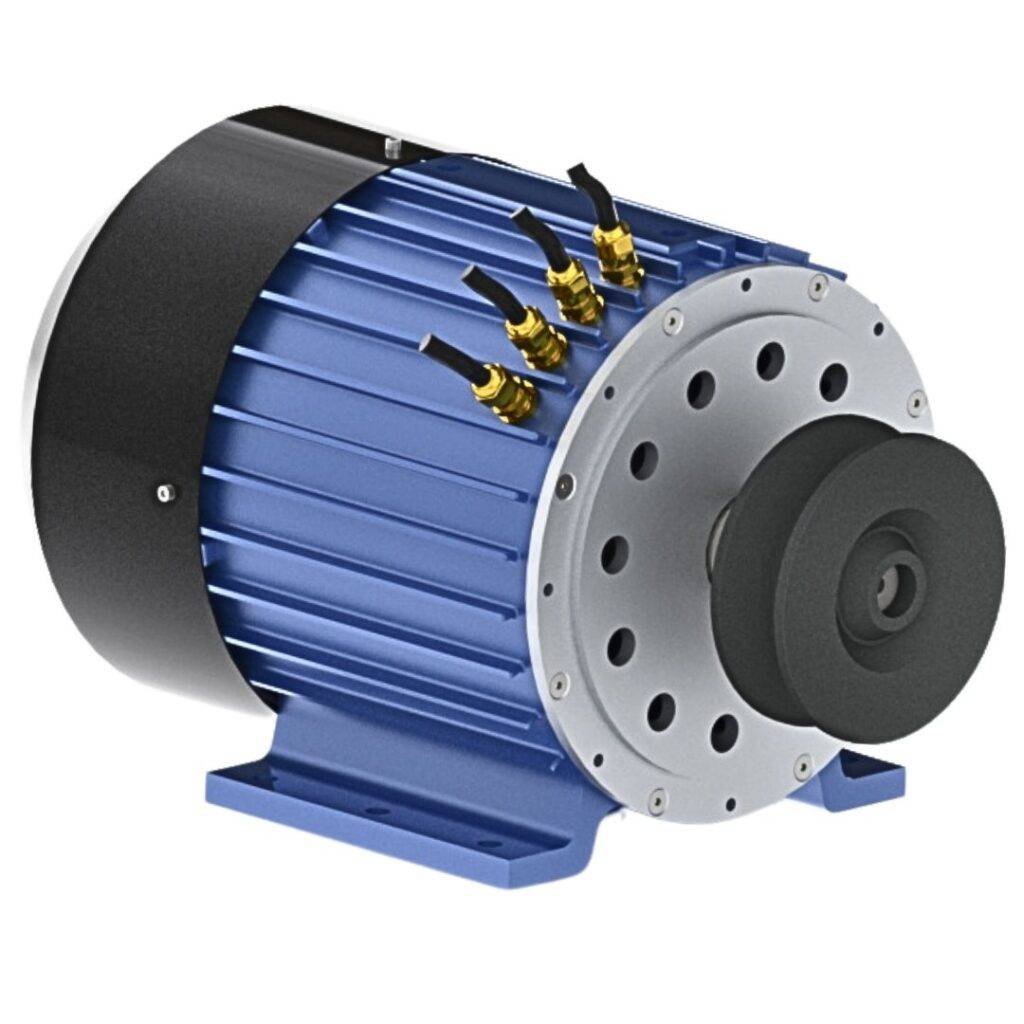
Operating a tractor-powered generator, a workhorse often called a PTO generator, offers unmatched portable power for everything from farm operations to emergency backup. Yet, with that incredible utility comes a serious responsibility: safety. Every year, preventable accidents occur due to electrical shocks, carbon monoxide poisoning, fire hazards, and severe mechanical injuries from moving parts. Understanding and strictly adhering to safety guidelines isn't just about compliance; it's about protecting lives and livelihoods.
At a glance: Key Safety Takeaways
- Know Your Manuals: Read and understand both your PTO generator and tractor manuals thoroughly.
- Ventilate, Ventilate, Ventilate: Always operate generators outdoors in well-ventilated areas to avoid deadly carbon monoxide buildup.
- Ground It Properly: Securely ground your generator to prevent electrical shock.
- Guard Up: Ensure all safety shields and guards are in place and undamaged before starting.
- Dress Smart: Wear close-fitting clothing and secure long hair to prevent entanglement.
- Mind Your Distance: Keep people, especially children and pets, and flammable materials away from the operating unit.
- Never Overload: Stick to manufacturer-recommended load limits to prevent overheating and fire.
- Power Down Before Connecting: Always shut off the generator before connecting or disconnecting electrical loads.
- Regular Maintenance: Keep your equipment in top condition with routine checks and servicing.
Why Every Turn of the PTO Matters: Understanding the Risks
A PTO generator transforms your tractor's mechanical power into usable electricity, a truly ingenious solution for remote worksites or power outages. But this marriage of mechanical force and electrical output creates unique hazards. We're talking about rapidly rotating shafts that can snag clothing, high voltage capable of delivering fatal shocks, engines that exhaust odorless, deadly carbon monoxide, and electrical systems prone to overheating or sparking if misused. Ignoring even one safety protocol can have catastrophic consequences, turning a valuable tool into a serious threat.
Your First Line of Defense: Know Your Equipment Inside Out
Before you even think about firing up that engine, remember that knowledge is your most powerful safety tool. Every PTO generator and tractor combination is unique, with specific operating parameters, maintenance schedules, and safety features.
The Manual is Your Master Guide
It might seem obvious, but countless accidents stem from operators skipping the most fundamental step: reading the owner's manuals for both the PTO generator and your specific tractor model. These aren't just dry instruction books; they're comprehensive safety guides tailored to your equipment. They detail everything from proper mounting and maintenance schedules to recommended RPMs and emergency shutdown procedures. Don't just skim them; truly understand them, and keep them accessible for quick reference.
Operator Training and Awareness
Who's running the show? Ensure that anyone operating the PTO generator is fully trained and competent. This isn't a task for a novice. An operator must understand:
- The equipment itself: How it functions, its specific controls, and its limitations.
- Specific dangers: What differentiates a diesel unit from a gas one, how to identify an electrical fault, or the subtle signs of a mechanical issue.
- Safety protocols: A firm grasp of start-up, load management, shutdown procedures, and what actions to take in case of a malfunction or emergency.
- Environmental factors: How nearby flammable materials, poor ventilation, or even damp ground can escalate risks.
Regularly review safety protocols. Equipment changes, personnel change, and environmental conditions change, so your safety approach needs to be dynamic. For a broader perspective on these indispensable machines, you can learn more about PTO generators and their various applications.
The Foundation of Safety: Proper Placement and Grounding
Where you set up your PTO generator is just as critical as how you operate it. Getting this wrong can lead to immediate and severe hazards.
The Silent Killer: Carbon Monoxide (CO)
This cannot be stressed enough: Operate generators only in well-ventilated outdoor areas. Carbon monoxide is a colorless, odorless, and tasteless gas produced by internal combustion engines. It's impossible to detect with your senses, and it's deadly. Even in seemingly open barns or sheds, CO can accumulate to fatal levels.
- Outdoor Only: Ensure the generator is positioned where exhaust fumes can disperse freely into the atmosphere, far from windows, doors, or vents leading into enclosed structures.
- Never Indoors: Absolutely no exceptions for indoor spaces, garages, basements, or partially enclosed areas, regardless of how "airy" they seem.
Stable Ground for Stable Power
A PTO generator, especially during start-up or when the load shifts, can exert significant torque on its mounting. An unsecured unit is a disaster waiting to happen.
- Secure Mounting: Mount the generator securely to your tractor's three-point hitch or drawbar according to manufacturer specifications. Ensure all pins and clips are properly engaged.
- Level and Flat Surface: Always operate the generator on a stable, flat, and level surface. Uneven ground can exacerbate torque-related instability, increasing the risk of the unit tipping or detaching, which could cause serious injury or damage.
The Essential Connection: Proper Grounding
Electrical shocks are a primary risk with any generator. Proper grounding is your shield against this danger.
- Grounding Rod: Always properly ground your PTO generator. This typically involves driving a copper grounding rod deep into the earth and connecting it to the generator's frame with a heavy-gauge copper wire.
- Follow Manuals: Refer to your generator's manual for specific grounding instructions, as requirements can vary. Never skip this step. It's a non-negotiable safety measure that redirects stray electrical currents safely into the earth.
Before the Engine Roars: Essential Pre-Operation Checks
A quick pre-flight check can prevent a world of trouble. Before you engage the PTO, take a few moments to ensure everything is in its proper place and condition.
Guards and Shields: Your Physical Barriers
The PTO shaft is a rotating hazard. It spins at high speeds and can easily snag clothing, hair, or limbs, leading to severe entanglement injuries.
- Inspect All Protections: Verify that all safety shields and guards are securely in place on the PTO shaft, driveline, and any other rotating or moving parts.
- Never Operate Compromised Equipment: If any guard is missing, damaged, or appears compromised, do not operate the generator. Repair or replace it immediately. These protections are non-negotiable.
Powering Up Safely: Electrical Connections
Faulty electrical connections are a leading cause of generator-related fires and electrical shocks.
- Grounded Plugs: Use only three-prong grounded plugs and heavy-duty, outdoor-rated extension cords that are appropriate for the load and distance.
- Inspect Cables: Always check electrical cables and cords for any signs of wear, fraying, cuts, or exposed wires. Damaged cords are an immediate electrical hazard and must be replaced.
- Dry Connections: Ensure all connections are clean and dry. Moisture can create a direct path for electricity, significantly increasing shock risk.
Fueling the Force: Tractor Fuel Levels
A sudden shutdown due to lack of fuel isn't just an inconvenience; it can be dangerous, especially if the generator is powering critical equipment or life support.
- Adequate Fuel: Before starting, verify that your tractor has sufficient fuel for the anticipated duration of PTO generator operation. Plan for extended run times, as refueling a hot engine or during operation can introduce new hazards.
- Fueling Safely: If refueling is necessary, always shut off the tractor engine and allow it to cool down before adding fuel.
Operating with Precision: Safe Practices During Use
Once you've completed your checks and are ready to generate power, maintaining vigilance throughout operation is paramount.
Dress for Success (and Safety)
Loose clothing around rotating machinery is a serious accident waiting to happen.
- Close-Fitting Attire: Wear close-fitting clothing, tuck in shirts, and avoid dangling drawstrings or scarves.
- Secure Long Hair: If you have long hair, tie it back securely or tuck it under a cap.
- Remove Jewelry: Take off any jewelry, especially rings, necklaces, or bracelets, which can easily get caught.
Keep a Safe Distance
The area around an operating PTO generator and tractor is a hazardous zone.
- Perimeter Awareness: Always walk around operating machinery, never over or too close to moving parts.
- Clear the Zone: Keep all unnecessary personnel, especially children, pets, and bystanders, a safe distance away from the generator and the entire worksite. Establish a clear exclusion zone.
RPMs: The Heartbeat of Your Generator
Operating the PTO at the correct revolutions per minute (RPM) is crucial for both generator performance and safety.
- Manufacturer-Recommended RPM: Most PTO generators are designed to operate at a specific RPM (commonly 540 or 1,000 RPM) for optimal power output and longevity. Refer to your generator and tractor manuals for the correct setting.
- Avoid Over- or Under-speeding: Operating at an incorrect RPM can lead to inefficient power, damage to the generator or tractor, and potential mechanical failures that could compromise safety.
Power Management: Adhere to Load Limits
Overloading a generator is a direct path to serious problems, including equipment damage and fire.
- Know Your Capacity: Understand your generator's rated wattage (both running and starting watts) and never exceed it.
- Monitor Load: Use a watt meter or carefully calculate the combined wattage of all connected appliances. Overloading can cause the generator to overheat, trip circuit breakers, or even ignite electrical faults and fires.
Weathering the Storm (Safely)
Water and electricity are a dangerous combination.
- Avoid Wet Conditions: Do not operate the generator in rain, snow, or excessively damp environments. This significantly increases the risk of electrical shock.
- Protective Cover: If outdoor use in unavoidable adverse conditions is absolutely necessary, use a generator-specific canopy or cover that is designed to protect it from moisture without impeding ventilation. Ensure the exhaust path remains clear.
Connecting and Disconnecting Loads
This is a critical moment for preventing electrical arc flashes or surges.
- Always Power Down First: Always turn off the generator and disengage the PTO before connecting or disconnecting any electrical loads, extension cords, or appliances. This prevents dangerous electrical arcing and protects both the operator and the equipment.
Beyond Operation: Maintenance, Emergencies, and Long-Term Safety
Safety doesn't end when the generator stops. Regular maintenance and preparedness for emergencies are ongoing responsibilities.
The Power of "Off": Servicing Your Generator
Never attempt to service, adjust, or clear obstructions from your PTO generator while it's running or still engaged.
- Complete Shutdown: Always disengage the PTO, shut off the tractor engine, and remove the key (if applicable) before performing any maintenance, unclogging, or adjustments to the generator or any attached equipment. This prevents accidental startup or movement.
- Cool Down: Allow the generator and tractor to cool down before working on hot components to prevent burns.
Fire Safety: Be Prepared
Engines, fuel, and electrical systems all pose a fire risk.
- Fire Extinguisher: Keep a suitable, fully charged fire extinguisher (rated for electrical and flammable liquids, e.g., ABC type) nearby and know how to use it.
- Clear Combustibles: Remove all combustible materials, such as dry leaves, rags, fuel containers, and chemicals, from the generator's operating vicinity.
Beware of Hot Surfaces
The engine, muffler, and exhaust system of a PTO generator can reach extremely high temperatures.
- Burn Prevention: Exercise extreme caution around these hot parts to prevent severe burns. Allow ample time for cooling before touching or performing maintenance.
Proactive Maintenance: The Long-Term Play
Routine maintenance extends the life of your equipment and, more importantly, prevents unexpected failures that can compromise safety.
- Scheduled Inspections: Follow the manufacturer's recommendations for scheduled inspections, oil changes, air filter replacements, and spark plug checks.
- Electrical Checks: Regularly clean and check all electrical connections for tightness, corrosion, and wear. Faulty wiring is a primary cause of malfunctions and hazards.
Personal Protective Equipment (PPE)
Don't underestimate the protection that simple gear can offer.
- Gloves and Glasses: When handling parts, fluids, or during maintenance, always wear appropriate PPE, including work gloves, safety glasses, and hearing protection (for operation).
- Masks: A mask might be necessary when dealing with dust or certain chemicals.
Emergency Action Plan
Thinking ahead can make all the difference when things go wrong.
- Shutdown Procedure: Have an emergency shutdown procedure readily available and clearly understood by all operators. This includes how to quickly kill power, disengage the PTO, and shut down the tractor.
- Professional Help: For complex electrical system integration (like connecting to a home's main electrical panel), a licensed electrician should install a transfer switch. This prevents backfeeding electricity into the utility grid, which can electrocute utility workers. In any complex emergency, professional intervention may be essential. Don't hesitate to call for help.
Answering Your Safety Questions
Let's address some common concerns about PTO generator operation.
Can I run my PTO generator in a lean-to or partially enclosed structure?
Absolutely not. Even a lean-to or a structure with open sides can allow dangerous levels of carbon monoxide to build up, especially if there's no constant, strong breeze to whisk away exhaust fumes. Generators must be in a truly open-air environment.
What if my PTO shaft shield is cracked but still "covers" the shaft?
A cracked or damaged shield is a compromised shield. It might provide some coverage, but its structural integrity is weakened, making it prone to complete failure. This is a critical safety component; replace it immediately. Never operate with damaged safety guards.
How do I know if my extension cords are adequate?
Check the gauge (thickness) of the wire and the amperage rating of your cords. Thicker gauges (lower numbers, e.g., 10-gauge is thicker than 14-gauge) can handle more power over longer distances without overheating. Always use cords rated for outdoor, heavy-duty use that match or exceed the amperage requirements of your connected tools. Overloaded or undersized cords can overheat and cause fires.
Is grounding really necessary if I'm just running hand tools?
Yes, absolutely. Grounding protects against electrical shock regardless of what you're powering. If an internal fault occurs within the generator or a connected appliance, grounding provides a safe path for the electricity to dissipate into the earth, preventing it from passing through you.
Empowering Your Power: A Final Word on Vigilance
PTO generators are powerful, indispensable tools. They keep the lights on, the pumps running, and critical operations moving forward. But that power demands respect and constant vigilance. By embracing these safety guidelines—from understanding your manuals to meticulous maintenance—you're not just preventing accidents; you're cultivating a culture of safety that protects yourself, your team, and your valuable equipment. Stay informed, stay prepared, and operate safely.