Understanding PTO Generators: Fundamentals and Benefits for Farm Power
Imagine a sudden power outage plunging your farm into darkness, or needing to run heavy-duty tools miles from the nearest outlet. For many in agriculture and remote work, this isn't just an inconvenience—it's a critical operational challenge. That's where Understanding PTO Generators: Basics & Benefits becomes essential. These robust, tractor-powered workhorses offer a lifeline, transforming your farm machinery into a versatile, mobile power station.
At its core, a PTO generator harnesses the mechanical power of your tractor's engine and converts it into usable electricity. It's a remarkably simple yet incredibly effective solution that brings grid-level power to places the grid simply can't reach, or provides critical backup when it fails.
At a Glance: Powering Up with PTO Generators
- What They Are: Generators powered by your tractor's (or other machinery's) Power Take-Off (PTO) shaft.
- Primary Use: Emergency backup power during outages and portable power for remote operations.
- Key Advantage: Cost-effective, durable, fuel-efficient (uses tractor's existing fuel), and highly reliable.
- How They Work: Your tractor acts as the engine, providing mechanical energy, and the PTO generator functions as the alternator, converting that energy into electricity.
- Why Choose One: Less expensive than standalone generators, easy to install, minimal maintenance, and long lifespan.
- Safety First: Always follow manufacturer guidelines, keep dry, and inspect regularly.
The Heart of the Farm: What Exactly is a PTO Generator?
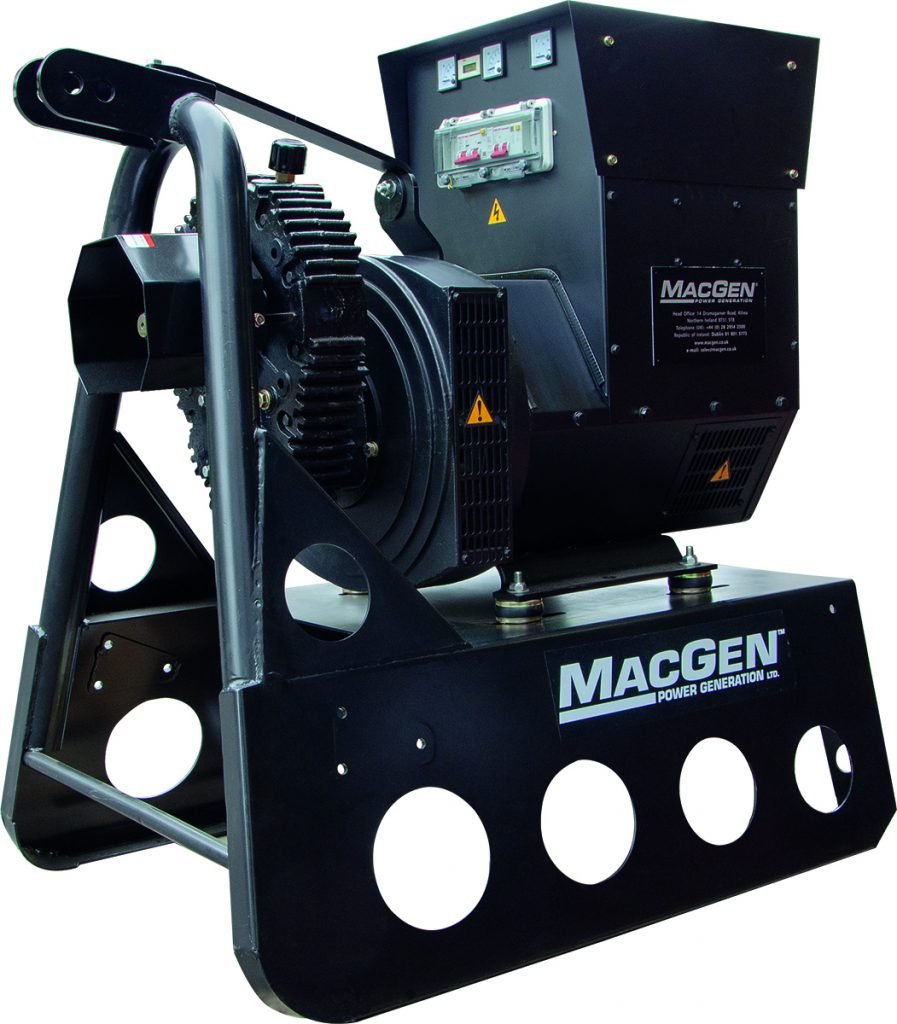
At its simplest, a PTO generator, also known as a tractor-powered generator or PTO driven generator, is an electrical generator designed to be powered by the "Power Take-Off" shaft of a tractor or other compatible machinery (like combines). Think of your tractor as the engine and the PTO generator as the alternator that transforms that mechanical muscle into clean, usable electricity.
This ingenious concept was first pioneered by the American Society of Agricultural Engineers in the 1920s, providing a way for farmers to generate power directly from their existing equipment. Today, they remain a cornerstone of reliable power generation, particularly in agricultural and construction settings where robust, on-demand electricity is often critical.
A typical PTO shaft generator consists of a few core components working in unison:
- The Generator Head: This is the main component, essentially the "brain" and "muscle" that converts mechanical energy into electrical power.
- The Drive Shaft: This crucial link connects the PTO generator head directly to your tractor's transmission system via its PTO shaft.
- The Clutch: This mechanism allows you to engage or disengage the generator from the tractor's power output as needed, providing control and safety.
Beyond these essentials, accessories like mounting brackets, additional alternators, filters, and belts can enhance functionality and ease of use.
Why PTO Generators Are Indispensable for Rural Power
When considering power solutions, PTO generators stand out with a compelling list of advantages that address the unique needs of farms and remote job sites. They're not just an alternative; they're often the ideal choice.
- Cost-Effectiveness & Value:
- Less Upfront Investment: Generally, PTO generators are significantly less expensive than purchasing a standalone, dedicated generator of comparable power output. You're leveraging an existing asset—your tractor's engine—rather than buying an entire new engine-generator unit.
- Fuel Efficiency: Since they run off your tractor's diesel or gasoline, you don't need a separate fuel supply. This streamlines logistics and often means using a more readily available and efficiently stored fuel source already on your property. This also contributes to reduced overall fuel consumption compared to running multiple smaller engines.
- Long Lifespan & Reliability: Built for the demands of agricultural work, these generators are designed for durability. Their robust construction and simpler design, often with fewer moving parts than a self-contained unit, contribute to a long operational life and high reliability.
- Ease of Use & Maintenance:
- Simple Installation: Connecting a PTO generator to your tractor is straightforward, requiring minimal tools and expertise. It's designed for quick setup when power is needed most.
- Minimal Maintenance: With fewer complex systems than integrated generators, PTO units typically require less maintenance. The tractor's engine takes on the primary maintenance burden, simplifying upkeep for the generator itself.
- Compact Storage: PTO generators generally take up little space. When not in use, they can be easily stored in a shed or barn, freeing up valuable workshop or yard space.
- Durability & Efficiency:
- Built for Tough Environments: Constructed with heavy-duty materials like steel, aluminum, and copper, PTO generators are designed to operate reliably in various environmental conditions—from dusty fields to chilly mornings.
- Efficient Power Generation: They generate electricity efficiently, turning the mechanical energy from your tractor into stable electrical output, often with better efficiency than traditional, smaller standalone generators.
- Mobility & Versatility:
- Power Anywhere: The most significant benefit for many is mobility. Your tractor can take the generator to any part of your property, transforming it into a mobile power station. This means you can operate power tools in the field, run welders at a remote fence line, or even create a mobile repair shop wherever grid electricity is inaccessible.
When a PTO Generator Becomes Your Go-To Power Source
PTO generators serve two critical purposes, each addressing a fundamental need for reliable power beyond the grid.
- Emergency Backup Power During Outages:
- When the grid goes down, a PTO generator springs into action, providing a temporary yet robust power source. This is vital for maintaining essential operations and comfort.
- Keeping the Lights On: Illuminating your home, barn, or workshop.
- Protecting Your Assets: Powering well pumps for livestock water, HVAC systems to protect sensitive equipment or animals, and preserving food in refrigerators and freezers.
- Staying Connected & Safe: Charging essential electronics like phones and radios, and powering critical medical equipment.
- Portable Power for Remote Operations:
- Beyond emergencies, PTO generators enable true operational flexibility, effectively extending your workshop to any corner of your property.
- Field Work: Powering electric drills, saws, grinders, and other power tools directly where the work is happening, eliminating the need for long extension cords or less powerful battery-operated alternatives.
- Construction Sites: Providing robust power for heavy-duty tools and equipment on remote construction sites.
- Special Events: Powering equipment for outdoor events, festivals, or temporary setups far from utility connections.
A PTO generator truly works in tandem with your tractor, leveraging its existing engine as the prime mover. The tractor's engine provides the mechanical energy, and the PTO generator acts as the converter, turning that raw power into the electricity you need.
Finding Your Perfect Match: Selecting a PTO Generator
Choosing the right PTO generator isn't a one-size-fits-all decision. It requires a careful assessment of your specific needs and existing equipment.
- Assess Your Power Needs:
- What will you power? Are you looking to back up an entire house, including high-demand appliances like well pumps and HVAC, or do you primarily need power for a few critical items like lights, a refrigerator, and some tools?
- Calculate your wattage: List all the appliances and tools you intend to power simultaneously. Note their starting (surge) watts and running watts. Your generator needs to meet both the total running wattage and be able to handle the highest starting wattage of any single item.
- Voltage requirements: Do you need 120V, 240V, or both? Some generators offer switchable voltage output. Three-phase power might be needed for certain heavy industrial equipment.
- Consider Your Agricultural Machinery:
- Tractor Horsepower (HP): Your tractor's PTO horsepower is crucial. The generator's power output (kW) will dictate the minimum horsepower required from your tractor. Always ensure your tractor exceeds the generator's minimum HP requirement to operate efficiently and avoid strain. For example, a 15kW generator might require a 30 HP engine, while a 78kW unit could demand 156 HP.
- PTO RPM: Most PTO generators operate at a standard RPM (e.g., 540 RPM or 1000 RPM). Ensure your tractor's PTO shaft can match the generator's input RPM for optimal performance.
- Evaluate the Operating Environment:
- Location: Will the generator be primarily used outdoors in varying weather, or mostly within a sheltered area?
- Portability: While all PTO generators are inherently mobile with a tractor, some models are lighter and feature wheels or collapsible handles for easier unhitching and repositioning when detached.
- Noise Levels: While tractor engines are inherently noisy, some generator heads are designed for quieter operation, which might be a consideration for prolonged use near inhabited areas.
A Glimpse at Robust PTO Generator Models
The market offers a range of reliable PTO generators, each with features tailored to different power needs and budgets. It's worth exploring options like those found at Explore our PTO generators for a comprehensive view. Here are a few examples that highlight the diversity available:
- Winco PTO Generators: A reputable name, Winco offers robust options.
- Winco PTO Generator W75PTOS-17kW: A powerful, American-made option for significant energy demands. Weighing in at 1,056 pounds, it operates at 1,800 RPM, provides three-phase power with a brushless alternator, and includes a voltmeter. It delivers an impressive 78,000 starting watts and 78,000 rated watts at 120 volts, requiring a substantial 156 horsepower from your tractor, operating at 60 hertz, and featuring 250 amp circuit breakers.
- Winco PTO Generator 15kw (W15PTOS): This professional-grade and affordable model offers 18,000 starting watts and 15,000 rated watts. It requires a 30 horsepower engine and includes overload prevention, alongside a 60 amp outlet.
- Winco 18kw PTO Generator (W120PTOS-18): Though now discontinued, this model was known as a professional-grade 18kW tractor-driven generator particularly suited for powering fragile appliances. It featured an in-tractor voltmeter and a mainline circuit breaker for overload protection. It weighed 1,206 pounds, offered 180 rated Amps, and operated at 60 Hertz with a brushless alternator.
- WEN PTO Generator (specific model not named in context): These models often focus on versatility and portability. A common feature for WEN generators includes switchable fuel options (like propane or gasoline) and adjustable voltage (120V to 240V). A typical model might feature a 6.6-gallon tank allowing over eight hours of operation on its lowest setting. Propane output could be around 9,500 surge and 7,500 running watts, while gasoline output offers 11,000 surge and 8,300 running watts. Many WEN units are designed to be portable with collapsible handles and 10-inch wheels, weighing around 214 pounds, and often come with a two-year warranty.
- IMD 16002P PTO Generator 16Kw: This competitively priced, heavy-duty unit is built from steel, aluminum, and copper for maximum durability. It offers 60 rated amps and 16,000 rated watts through two outlets. Key features include a brushless alternator, continuous output, and standard input shaft sizing, making it easy to use. Weighing 266 pounds, it's capable of powering a wide range of needs, from tractors to entire households.
These examples illustrate the range of features and capacities available, from powerful, stationary-when-in-use units to more portable options designed for versatility.
Mastering Safe Operation: Your Guide to PTO Generator Use
Safety should always be your top priority when operating any heavy machinery or electrical equipment, and PTO generators are no exception. Following these guidelines will ensure a productive and secure experience:
- Read the Manual: Always, without exception, follow the manufacturer's instructions for your specific PTO generator model and your tractor. This manual contains critical information on setup, operation, and maintenance specific to your equipment.
- Regular Inspections: Before each use, conduct a thorough visual inspection of the generator.
- Check for any signs of wear and tear, loose connections, frayed wires, or damaged components.
- Ensure all safety guards, shields, and covers are securely in place. These are designed to protect you from moving parts and electrical hazards.
- Maintain a Dry Environment:
- Keep the generator dry at all times. Never use it in wet conditions, rain, or standing water. Water and electricity are a dangerous combination.
- Protect the generator with a canopy or shelter, especially if operating outdoors for extended periods, to shield it from unexpected precipitation.
- Never operate the generator if you are wet or standing in water. Your personal safety depends on maintaining a dry environment around electrical equipment.
- Proper Grounding: Ensure your PTO generator is properly grounded according to the manufacturer's instructions and local electrical codes. This is a critical safety step to prevent electrical shock.
- Ventilation is Key: Operate the generator in a well-ventilated area to prevent the buildup of exhaust fumes (carbon monoxide), which are colorless, odorless, and deadly. Never operate it indoors or in enclosed spaces.
- Fueling Safety: Always turn off the tractor engine and allow it to cool before refueling. Spilled fuel on a hot engine can ignite.
- Electrical Load Management: Do not overload the generator. Understand its rated capacity and avoid exceeding it. Overloading can damage the generator and pose fire hazards.
- Malfunction Protocol: In the event of any malfunction, unusual noises, or performance issues, immediately disconnect the generator from the tractor and contact a qualified technician for inspection and repair. Do not attempt to fix electrical issues if you are not qualified.
By adhering to these safety practices, you can confidently and efficiently leverage the power of your PTO generator, ensuring both your productivity and your well-being.
Harnessing Reliable Power, Anywhere You Need It
Understanding PTO generators isn't just about knowing what they are; it's about recognizing their potential to transform how you manage power on your farm or remote worksite. From ensuring critical operations continue during unforeseen outages to empowering you to tackle projects far beyond the reach of the grid, these tractor-powered units offer a unique blend of reliability, cost-effectiveness, and versatility.
By carefully assessing your needs, selecting the right model, and prioritizing safe operation, you'll find that a PTO generator is more than just another piece of equipment—it's an indispensable partner in maintaining productivity and resilience, no matter where your work takes you.